What You Actually See in the £10 Demo Mode
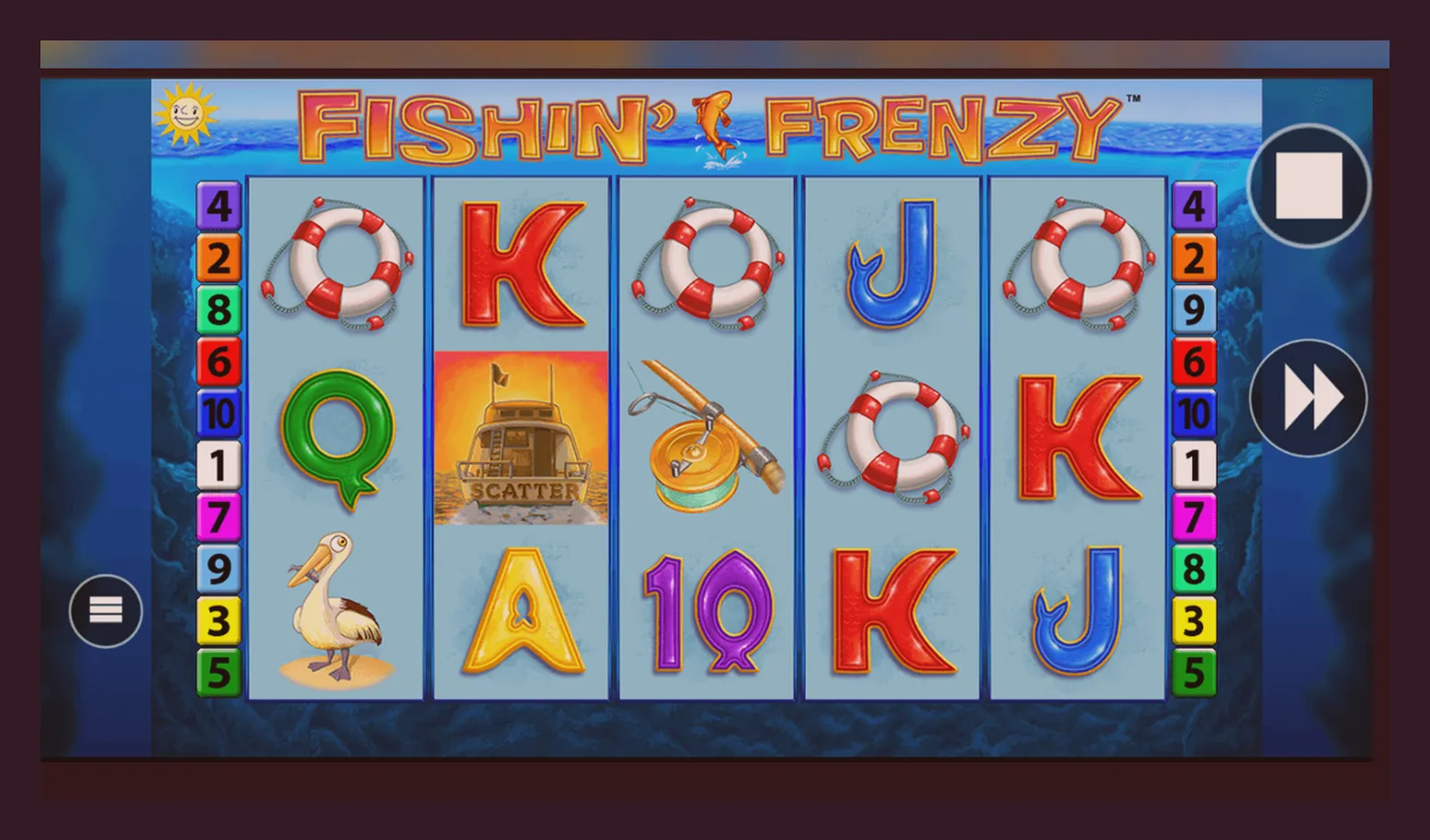
Most players open the demo, see a £500 balance, spin at £10 stakes, hit a £200 win in five minutes, and think that's what real play looks like. It isn't. The demo runs at the top of the bet range and skips every friction point that shapes actual sessions — age checks, stake caps, affordability triggers, withdrawal waits, and bonus wagering. It shows you the maths and the features, but not the constraints or the cash-out process.
This page walks through what the demo does show, what it hides, and how to move to real money without surprises. The focus is on Fishin' Frenzy as it runs on UKGC-licensed sites serving British players — the regulator's stake caps and affordability rules change the game compared to unregulated markets.
Where the Demo Runs and Whether You Need an Account
On most UKGC-licensed operators, the demo sits behind age verification. You register, confirm you're over 18, and then unlock free play — the site has already run your details through credit-reference checks to meet the regulator's standard. A handful of operators allow instant demo access without login, but that's less common now; the Commission wants early age-gating even for play-money modes.
The demo itself runs in the browser, no download required. The same RNG, reel strips, and feature code power both demo and real-money play — Blueprint Gaming supplies one build, and the operator's platform switches the wallet. Mobile works the same way: open the site in Safari or Chrome, tap the game tile, and the demo loads in full-screen. There's no standalone app for Fishin' Frenzy on the App Store or Google Play; the game lives inside the operator's licensed app or mobile site.
Registration takes a few minutes: email, phone, date of birth, address. The site checks your age against the electoral roll and credit files before you can deposit, but demo play usually unlocks immediately after sign-up. If you're already registered with GAMSTOP — the UK's self-exclusion scheme — you won't see the demo or the real-money game on any UKGC site.
What a Demo Session Looks Like — Stake Range, Speed, Balance
The demo opens with a £500 play-money balance and the full bet range: £0.10 to £10.00 per spin. You can set auto-play to 100 spins, let it run at £10 stakes, and watch the balance swing. If you hit the free-spins feature early, you might double your balance in a few minutes. If the feature doesn't land, you'll burn through £200 in 20 spins. The volatility is real — the RNG doesn't care whether you're playing with fake money — but the demo removes every brake that real-money play imposes.
- No stake cap: the demo lets you bet £10.00, but real-money play on a UKGC site caps you at £5.00 per spin if you're 25 or older, and £2.00 if you're 18–24.
- No affordability check: deposit £150 net in a month, and the operator will ask for proof of funds before you can continue. The demo skips this entirely.
- No cool-off prompt: real-money sessions trigger pop-ups after 60 or 90 minutes; the demo runs until you close the tab.
- No loss limit: set a £50 daily loss cap in real play, and the game locks when you hit it. The demo has no such friction.
The pace matches real money — roughly 4–5 seconds per spin on auto, faster if you tap through manually. The paytable, feature rules, and RTP are identical. What changes is the stake you're allowed to risk and the guardrails around that risk.
Which Numbers Transfer to Real Money and Which Don't
The RTP — return to player — is the same in demo and real play. If the operator runs Fishin' Frenzy at 96.12% RTP, that's what you get in both modes. The hit frequency, feature trigger rate, and maximum win (the biggest payout the game can deliver in a single spin or feature round) also carry over. These are fixed in the game's maths model; the operator can't tweak them per session.
What doesn't transfer: your demo balance, your demo win history, and your subjective sense of how often the feature lands. The RNG is random on every spin, so a hot streak in demo play means nothing for the next real-money session. Players often see a £300 feature win in the demo, deposit £50, and expect the same result. The maths says you'll see that feature roughly once every 96 spins on average, but variance means you could go 300 spins without it, then hit it twice in 50.
| Element | Demo | Real money | |
|---|---|---|---|
| RTP | 96.12% | 96.12% | → |
| Stake range | £0.10–£10.00 | £0.10–£2.00 (18–24) or £0.10–£5.00 (25+) | → |
| Balance persistence | Resets on refresh | Tracked in your account | → |
| Withdrawal option | None | 24–48 h KYC, then 1–3 days to your bank | → |
| Bonus wagering | Not applicable | 30x–50x turnover before cash-out | → |
The demo is a preview of the game's behaviour, not a predictor of your next session. Treat the numbers — RTP, volatility, feature frequency — as the reliable data, and treat your demo results as noise.
What the Demo Hides — Withdrawal, KYC, and Bonus Wagering
The demo ends at the win. You see the balance rise, but you never click «withdraw» or wait for a bank transfer. Real-money play introduces three layers of friction that the demo doesn't model.
- KYC before first withdrawal: the operator will ask for a photo ID (passport or driving licence), proof of address (utility bill or bank statement), and sometimes a selfie holding your ID. This takes 24 to 48 hours to process, and until it's done, your balance sits locked. Subsequent withdrawals are faster, but the first one always involves this check.
- Withdrawal speed: e-wallets like PayPal clear in a few hours to 24 hours. Faster Payments to your bank account takes the same day to two working days. A debit-card withdrawal — less common now — can take one to three working days. The demo gives you instant gratification; real money makes you wait.
- Bonus wagering: if you took a welcome offer, you'll need to turn over the bonus amount 30 to 50 times before the winnings become withdrawable cash. A £50 bonus with 40x wagering means £2,000 of spins before you can cash out. The demo doesn't show this; it treats every win as instant liquidity.
These aren't edge cases — they're standard operating procedure on every UKGC-licensed site. The demo is a mechanical preview, not a simulation of the full player journey.
Demo on a Phone — What Changes and What Doesn't
The mobile demo runs in the same browser engine as the desktop version — WebGL or HTML5 canvas, depending on the operator's platform. Tap the game tile, wait two seconds for the assets to load, and you're in. The interface scales to fit the screen: the reels shrink slightly, the bet controls move to the bottom edge, and the paytable sits behind a tab. The maths, RTP, and feature logic are identical.
What does change: battery drain and data usage. A 30-minute demo session will pull 20–40 MB of data and drain 8–10% of your battery, depending on the phone. If you're on a metered connection, factor that in. Auto-play on mobile runs at the same speed as desktop, but the screen-off lock will pause the session if the phone sleeps — you can't leave it running in your pocket.
Touch controls are more precise than mouse clicks for manual play, so some players find the mobile demo faster. The downside: a smaller screen makes it harder to track multiple elements at once — balance, bet size, feature meter — so mistakes (accidentally raising the stake, missing a feature trigger) are more common. The game doesn't warn you when you change the bet mid-session, so double-check the stake display before each auto-play run.
The Lowest-Risk Way to Switch to Real Money
If the demo convinced you to deposit, start with the minimum stake and a fixed budget. The lowest-risk path looks like this: deposit £20 using a debit card or PayPal (credit cards are banned for gambling in the UK since 2020), skip the bonus if it comes with high wagering, and play at £0.10 or £0.20 per spin. Set a loss limit of £20 in your account settings — every UKGC operator must offer this — so the session locks automatically when the money's gone.
Avoid these common traps when moving from demo to real money:
- Don't match your demo stake. The demo runs at £10.00; real play caps you at £5.00 or £2.00 depending on your age. Even at the legal maximum, you'll burn your deposit faster than you expect.
- Don't chase the demo feature win. You might have hit three scatters in 30 spins during the demo. Variance means you could go 150 spins without the feature in real play, and that's still within normal distribution.
- Don't assume the first withdrawal will be instant. Budget 48 hours for KYC and another one to three days for the bank transfer. If you need the money the same day, don't gamble it.
Set a deposit limit before your first session — £50 or £100 a month is a reasonable ceiling if you're testing the game. The operator will prompt you to set this during registration, and once it's active, you can't raise it for 24 hours. This delay is intentional; it stops impulsive top-ups after a losing streak.
Comparing the Demo to Real Play — a Final Numbers Check
The table below shows what changes when you move from demo to real money on a UKGC-licensed operator. These figures reflect the regulatory environment as of late 2026 — stake caps, affordability thresholds, and withdrawal speeds are set by the Commission and apply to every site serving British players.
The demo is accurate for the game's mechanics — RTP, volatility, feature frequency — but it doesn't model the regulatory and operational constraints that define real-money play in this market. Use it to learn the paytable and test the feature rounds, but don't treat a demo session as a rehearsal for your deposit outcome. The maths is the same; the experience is not.
Every operator's terms differ slightly — withdrawal speeds, bonus structures, verification turnaround times — so check the site's FAQ and banking page before you deposit. The UKGC register lists every licensed operator; look up the site you're considering and match the licence number in the footer. If the number doesn't appear or doesn't match the register, the site isn't legal to serve British players.
FAQ
Can I play the Fishin' Frenzy demo without registering?
On most UKGC-licensed sites, you'll need to register and pass age verification before the demo unlocks. A few operators allow instant demo access, but that's less common now — the regulator wants early age-gating even for play-money modes. Registration takes a few minutes and usually unlocks the demo immediately, though you'll still need to complete KYC before your first real-money withdrawal.
Does the demo use the same RTP as real-money play?
Yes. The demo and real-money versions run the same RNG, reel strips, and feature code. If the operator sets Fishin' Frenzy to 96.12% RTP, that applies to both modes. The hit frequency, feature trigger rate, and maximum win are also identical. What changes is the stake range — the demo lets you bet up to £10.00, but real play caps you at £5.00 or £2.00 depending on your age.
Why can't I bet £10.00 per spin in real-money play?
The UKGC introduced stake caps in 2021 to limit slot losses. Players aged 25 and older are capped at £5.00 per spin; players aged 18–24 are capped at £2.00. These limits apply to every online slot on every licensed site serving British players. The demo runs at the full £0.10–£10.00 range because it's play money, but real stakes are capped by law.
How long does the first withdrawal take after switching from demo to real money?
Budget 24 to 48 hours for KYC — the operator will ask for photo ID, proof of address, and sometimes a selfie. Once your documents are approved, e-wallets like PayPal clear in a few hours to 24 hours, and Faster Payments to your bank takes the same day to two working days. Subsequent withdrawals skip the KYC step and clear faster, but the first one always involves verification.
Can I move my demo balance to real money?
No. The demo balance is play money that resets every time you refresh the page. It doesn't transfer to your real-money account, and demo wins don't count toward withdrawal. The demo is a mechanical preview — it shows you the game's behaviour, but it doesn't create any cash value.
What happens if I deposit £150 in a month?
The operator will trigger an affordability check. At the first stage, they'll pull credit-reference data to assess your financial situation. If that raises flags, they'll ask for bank statements or payslips before you can deposit more. This threshold was lowered from £500 to £150 in 2024 as part of the UKGC's safer-gambling reforms, and it applies to net deposits — money in minus money out.